Garmin Forerunner 965: Is It Still the King of Sports Biohacking in 2026?
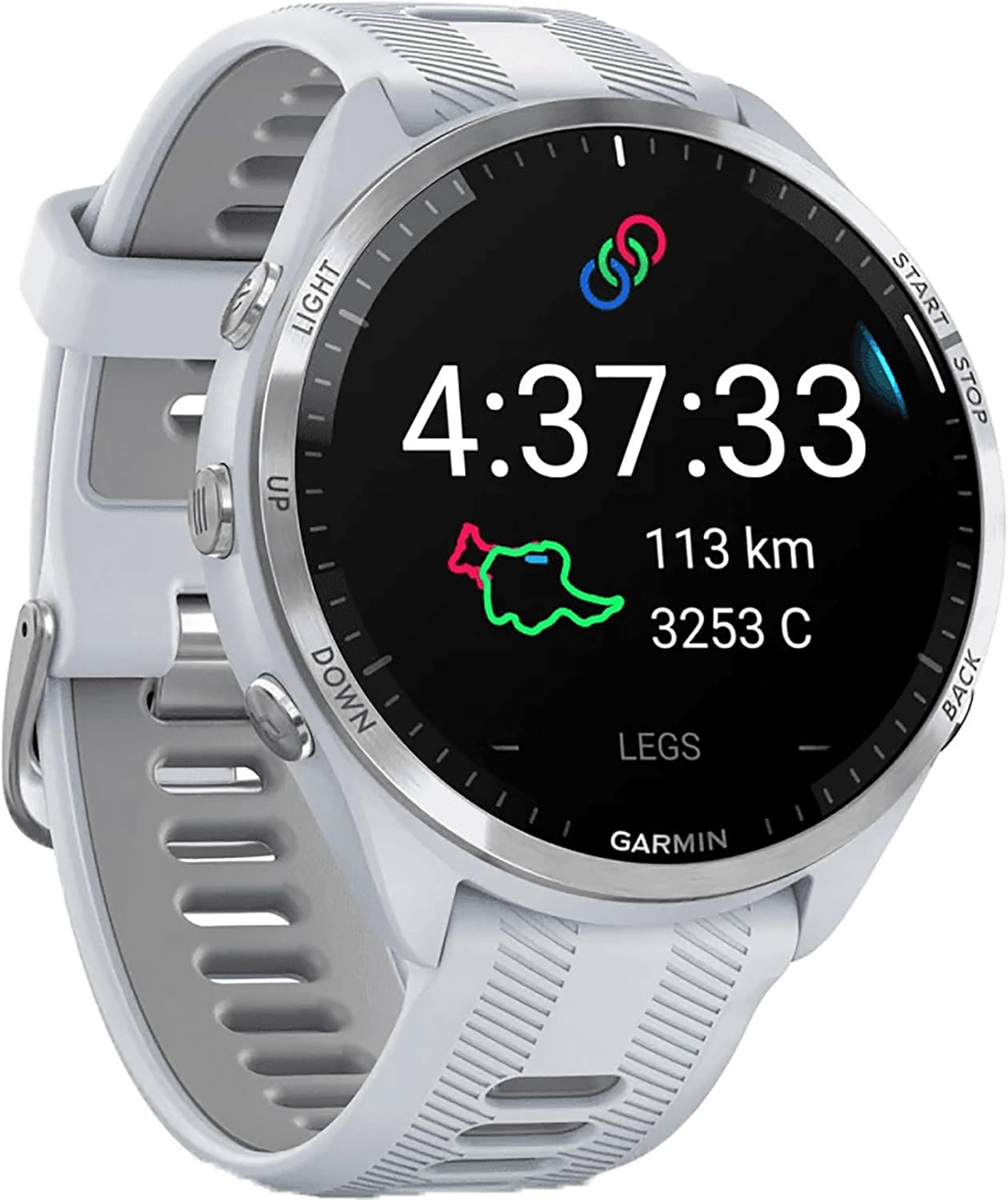
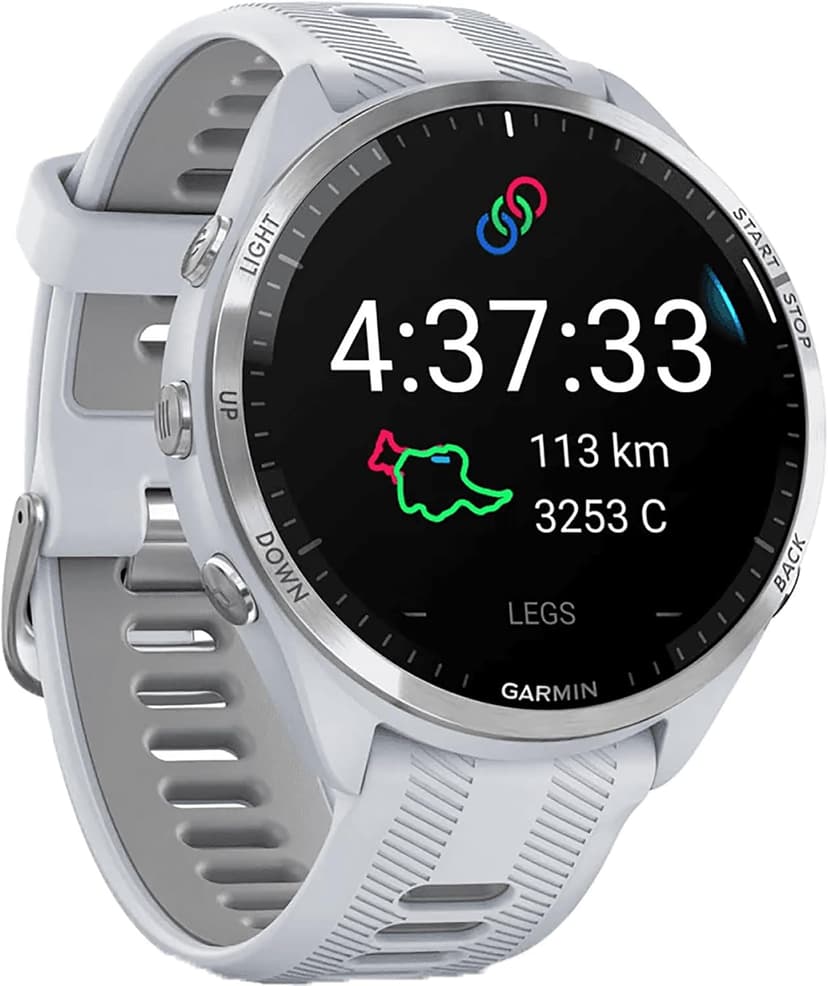
When your goal is total biological optimization, every millisecond of Heart Rate Variability (HRV) matters. While mainstream smartwatches flood you with irrelevant notifications and require nightly charging, the Garmin Forerunner 965 operates under a different philosophy: clinical, uninterrupted precision. Designed for athletes who view their bodies as precision machines, this device doesn't just record data; it decodes the state of your autonomic nervous system. The combination of its high-definition AMOLED display with an arsenal of metrics such as Training Readiness and HRV Status makes the Forerunner 965 the most robust biohacking tool on the market for assessing fatigue and planning physical stress load.
Garmin Forerunner 965: Is It Still the King of Sports Biohacking in 2026?
The ultimate analytical tool for endurance athletes and biohackers demanding clinical-grade recovery metrics without subscription fees.
HRV Status and Training Readiness: The Compass of Systemic Stress
The core of the Forerunner 965 as a biohacking device lies in its ability to correlate rest and exertion. Through the HRV Status widget, the watch continuously monitors your heart rate variability overnight, comparing your 7-day average to your personalized baseline range. A downward trend is the first warning sign that your body is fighting an invisible stressor: overtraining, lack of deep sleep, poor nighttime digestion, or an incubating infection. Complemented by the Training Readiness metric, the system gives you a daily score from 1 to 100 based on your sleep, recovery time, HRV status, and acute load history. This is true biohacking: adjusting your training to your biology, not your calendar.
Satellite Accuracy and Uncompromised Battery Life
Equipped with SatIQ technology and dual-frequency multi-band GPS, the Forerunner 965 ensures flawless tracking in urban canyons or dense forests, dynamically selecting the optimal GPS mode to save battery. But the true differentiator compared to competitors like the Apple Watch Ultra is its battery life. With up to 23 days of continuous use in smartwatch mode, the Forerunner 965 allows for real 24-hour biological monitoring for weeks without charging pauses. There are no gaps in your sleep data, resting heart rate, or oxygen saturation—a crucial factor for identifying long-term trends in your cardiovascular health and metabolic regeneration.
Ergonomics and Honest Critique: Sports vs. Lifestyle
Despite its metric supremacy, the Forerunner 965 presents trade-offs you must consider. Its 47mm diameter chassis and fiber-reinforced polymer shell with a titanium bezel have a purely sporty aesthetic that may not fit in formal business meetings. Furthermore, it lacks a sophisticated voice assistant or built-in cellular connectivity (LTE), features commonly found in premium lifestyle smartwatches. If you want a device to make calls and manage emails from your wrist, this is not the watch for you. It is an instrument for advanced biometric collection and performance, not an extension of your smartphone.
Pros
- •Massive battery life up to 23 days for uninterrupted 24/7 logging
- •Advanced recovery metrics with zero monthly subscription fees
- •Bright 1.4-inch AMOLED display and offline built-in maps
- •Industry-leading dual-frequency multi-band GPS with SatIQ technology
Contras
- •Sporty aesthetic and bulk that might feel oversized on smaller wrists
- •Lacks cellular LTE connectivity and premium virtual voice assistants
Conclusion: Is the Garmin Forerunner 965 Worth It in 2026?
The Garmin Forerunner 965 remains the undisputed choice for biohackers and performance-driven athletes. If you understand that optimizing your biology requires clinically validated stress and recovery metrics, and you refuse to pay mandatory monthly subscription fees to access your own data, this device has no equal.
Compared to the comfort of a smart ring or the lifestyle focus of other wearables, the Forerunner 965 stands as the absolute command center for the athlete looking to push their physical limits, backed by the best cardiovascular fatigue algorithms available today.