Red Light and Subcellular Melatonin: The Near-Infrared Secret
Red Light and Subcellular Melatonin: The Near-Infrared Secret to Hacking Your Energy and Sleep
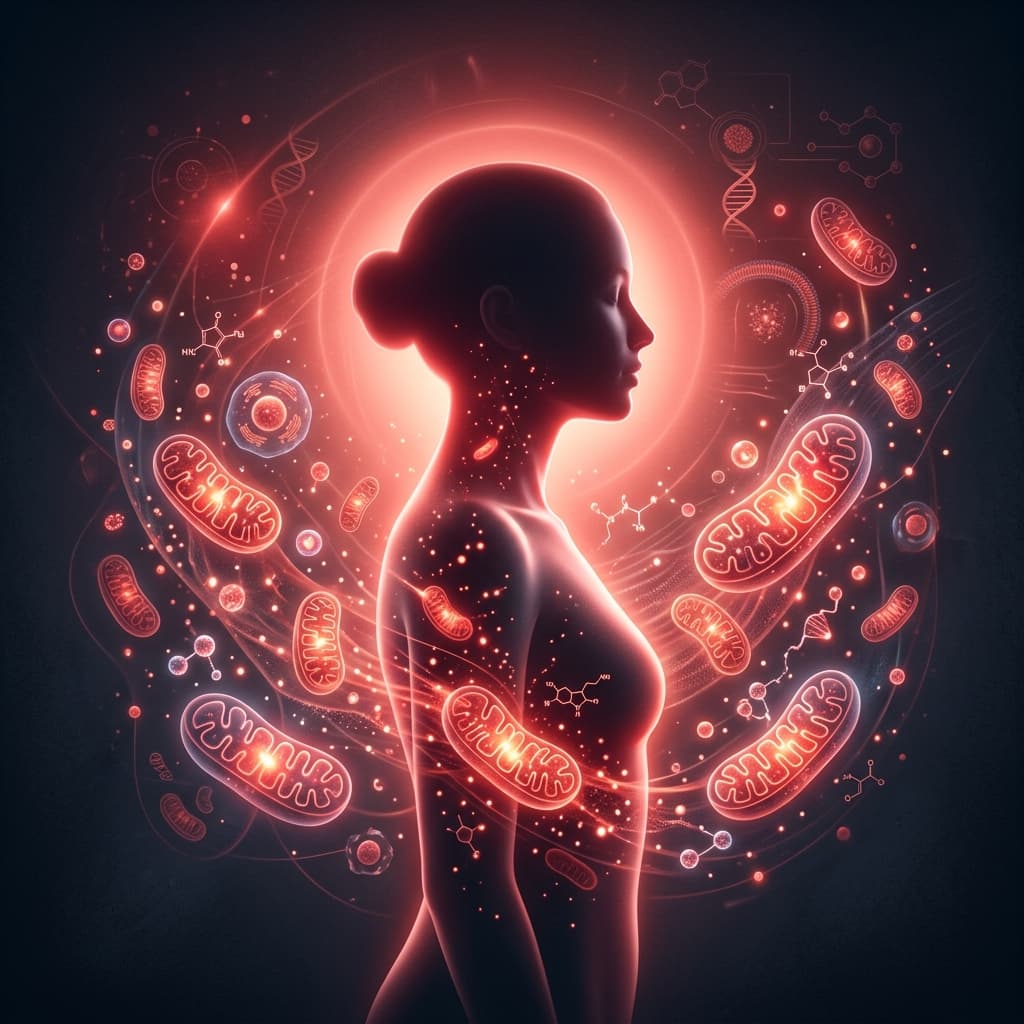
If you think melatonin is simply the hormone you take in capsules or gummies to fall asleep at night, you are limiting your understanding of biology to obsolete paradigms. The most revolutionary recent scientific discoveries in mitochondrial medicine reveal that the melatonin that truly makes a difference in your longevity and vitality is not the one produced by the pineal gland in the dark. The true holy grail is subcellular melatonin, produced during the day inside your own mitochondria in direct response to red and near-infrared (NIR) sunlight.
This process represents one of the greatest biological optimization levers within our reach. Ninety-five percent of the melatonin in your body lives in the mitochondrial space of your cells. Its function is not to induce sleep, but to act as the most potent natural antioxidant known, neutralizing oxidative stress and the molecular "smoke" generated during cellular energy (ATP) production. Living under constant artificial lighting devoid of these frequencies is a recipe for accelerated aging and metabolic dysfunction.
The Light Short Circuit of Modern Life
Conventional LED lights in our offices and screens on our mobile phones are designed to emit a massive spike of blue light to simulate solar noon. However, they completely lack the natural counterpart of the solar spectrum: red and near-infrared (NIR) light. In nature, the sun always delivers near-infrared light alongside visible light.
By spending 90% of our days indoors and behind glass (which blocks near-infrared light), we subject our cells to extreme light deprivation. We generate high levels of fatigue and free radicals due to the blue light stimulus, but deprive the mitochondria of the infrared frequency needed to synthesize their own antioxidant shield: subcellular melatonin. The result of this imbalance translates into chronic fatigue, brain fog, and silent inflammation.
How Near-Infrared (NIR) Light Activates Your Cells
Near-infrared light, which is invisible to the human eye but thermally perceptible, has a fundamental biological property: it is capable of penetrating several centimeters through the skin and soft tissues. Upon reaching the mitochondria, it is absorbed by cytochrome c oxidase (a key photoreceptor in the electron transport chain), producing three immediate effects:
- Stimulation of ATP synthesis: Increases the production of pure energy without generating associated harmful free radicals.
- Structured water: Improves the viscosity of the water surrounding ATP synthase, allowing the cellular turbine to rotate with less physical resistance.
- Subcellular Melatonin Production: Activates the local enzymatic pathway that produces melatonin directly inside the mitochondrion, acting as a protective shield in situ against inflammation.
Pros
- •Immediate stimulation of cellular energy (ATP) production
- •Massive neutralization of mitochondrial oxidative stress in situ
- •Indirect improvement of nighttime deep sleep architecture
Contras
- •Requires daily consistency to consolidate biological benefits
- •Clinical-grade photobiomodulation devices require an initial investment
Practical Protocol to Hack Your Mitochondrial Melatonin
To reincorporate these critical frequencies into your daily life and optimize your subcellular melatonin production, we recommend structuring your light routine with the following habits:
- Morning Sun Exposure: Go outside for the first 30 minutes of sunrise without sunglasses or screens. The morning sun is loaded with an optimal percentage of red and near-infrared light that prepares your cells for the day's stress.
- Intelligent Photobiomodulation: If you spend your day indoors or live in areas with little sun in winter, use quality red and infrared light therapy panels for 10-15 minutes in the morning in your workspace.
- Nighttime Blue Light Blocking: After sunset, turn off cool lights and use red spectrum incandescent bulbs or protective glasses to prevent your brain from interpreting that it is still daytime, thereby protecting nocturnal pineal melatonin.
Synchronizing your biological rhythms through light not only improves your rest, but also lays the foundation for an efficient metabolism. If you want to learn more about how technology can help you stabilize your circadian cycle and combat jet lag or scheduling issues in a portable way, be sure to check out our detailed analysis:
Luminette 3: Review and opinions on the ultimate light therapy glasses