Smart ring with no subscription: 3 options vs Oura
In this article
There is a clear reason to look for a smart ring with no subscription: the Oura is the reference ring, but its full app is paid for monthly or yearly, and some people would rather buy the device once and forget about it. There are alternatives that don't charge you to see your own data. This comparison lines up three of them, the RingConn Gen 2, the Samsung Galaxy Ring and the Ultrahuman Ring Air, and sets them against what it costs to keep an Oura.
One caveat before we start, because it is the one most often overlooked: "no subscription" does not mean "no paid layer at all". Two of the three manufacturers offer optional plans inside their app, and none of them promises that what is free today will stay free forever. That is why this piece separates what is mandatory from what is optional, and dates every amount.
How it was done. It relies only on official and open sources (the Ultrahuman, Samsung, RingConn and Oura websites) and on our already published reviews. No ring is physically tested. We have not used independent reviews of comfort, real-world battery life or accuracy, so those aspects appear as unverified where relevant. Consumer rings are wellness devices, not medical ones: they are useful for seeing your own trends, not for diagnosing anything.
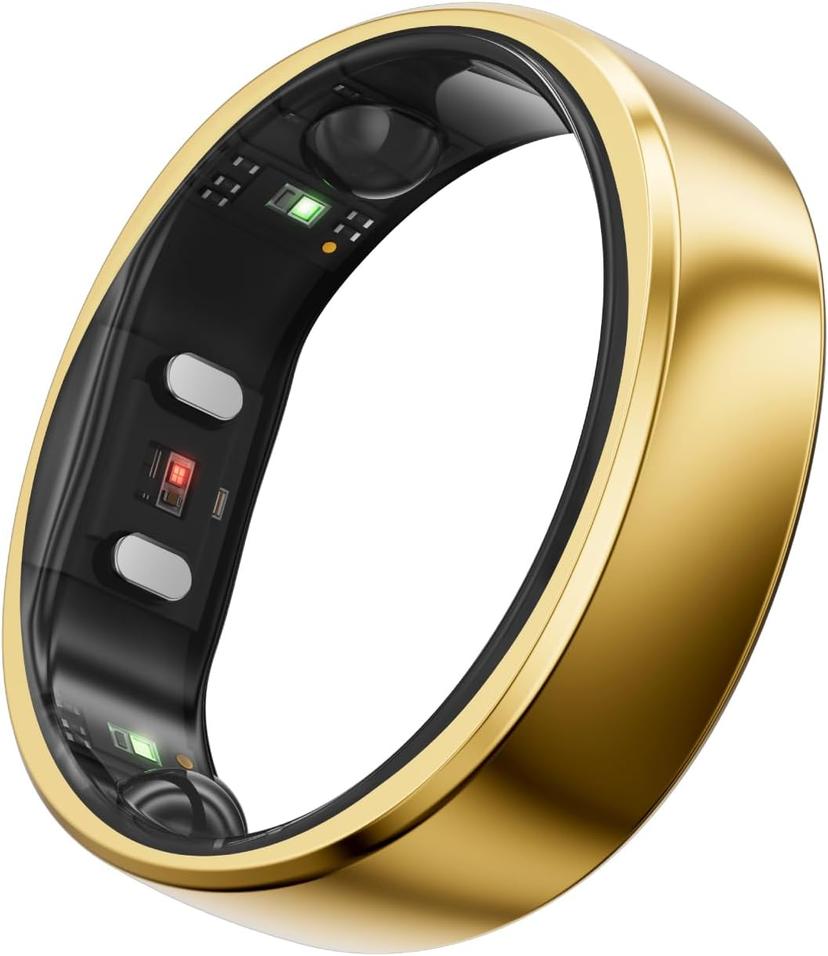
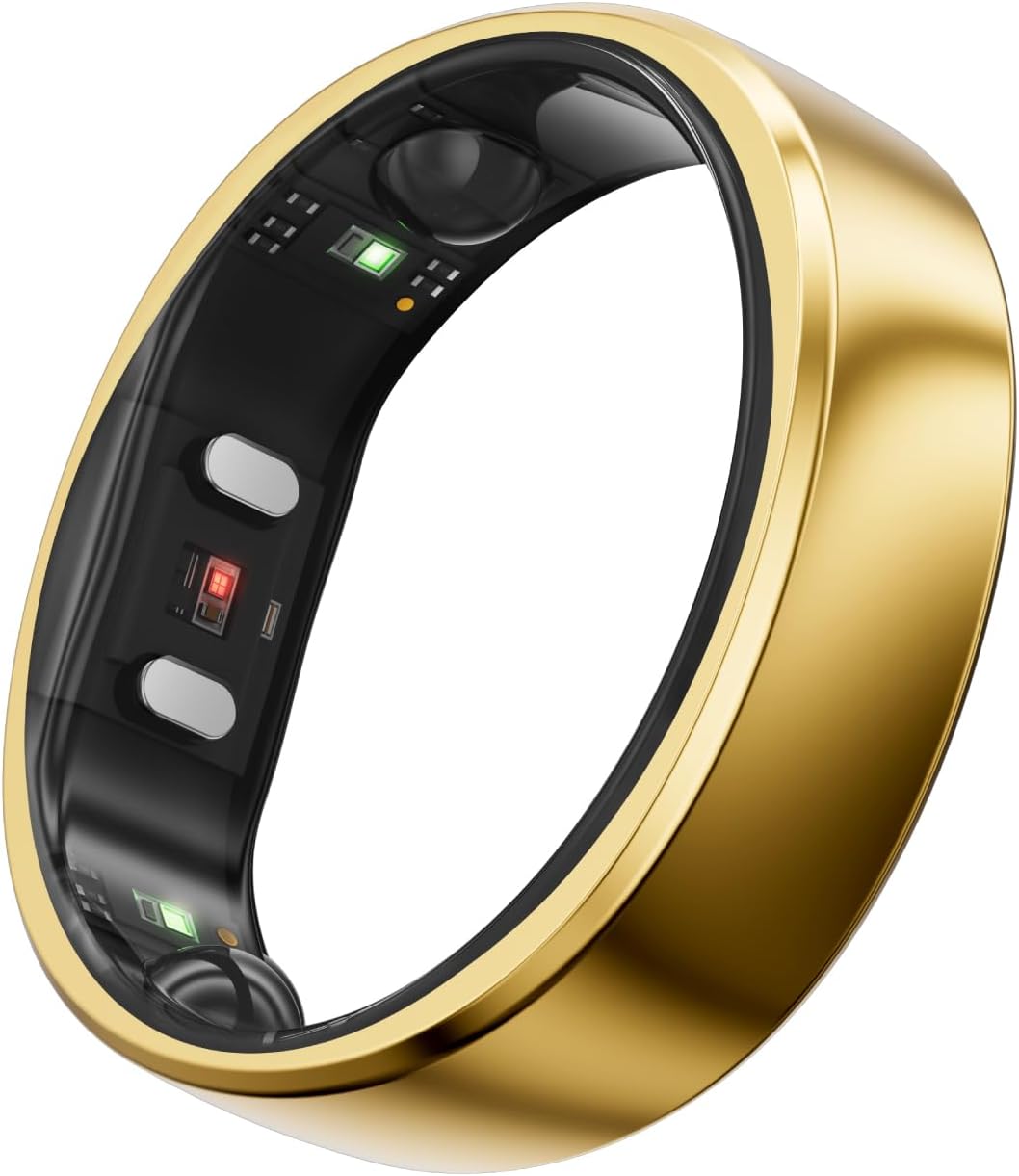
RingConn Gen 2
2 mm titanium ring with a stated 10 to 12 days of battery and no mandatory fee to use the app.

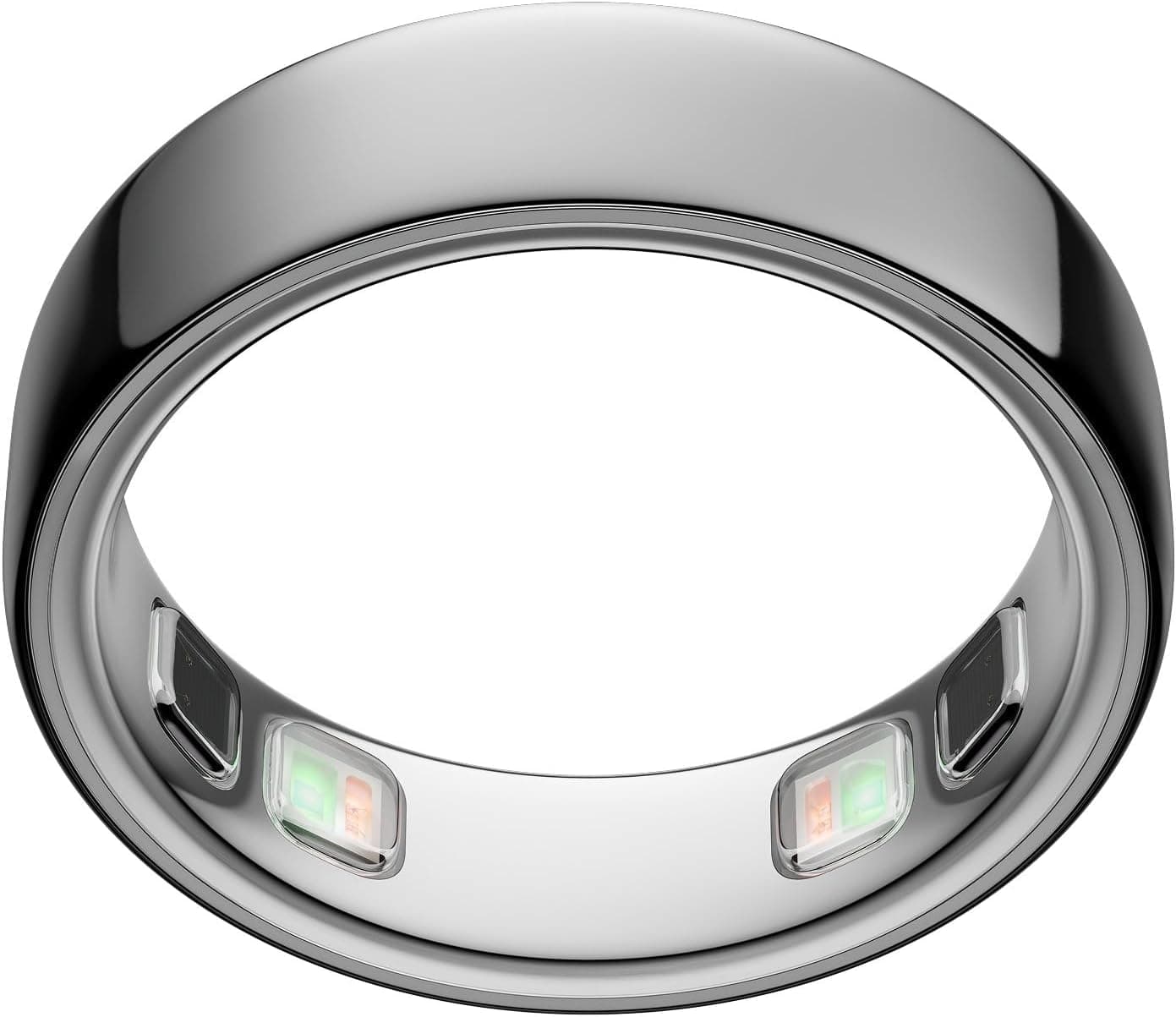
Samsung Galaxy Ring
Screenless ring weighing 2.3 to 3.0 g that Samsung's website does not mention any fee for, for Android phones only.
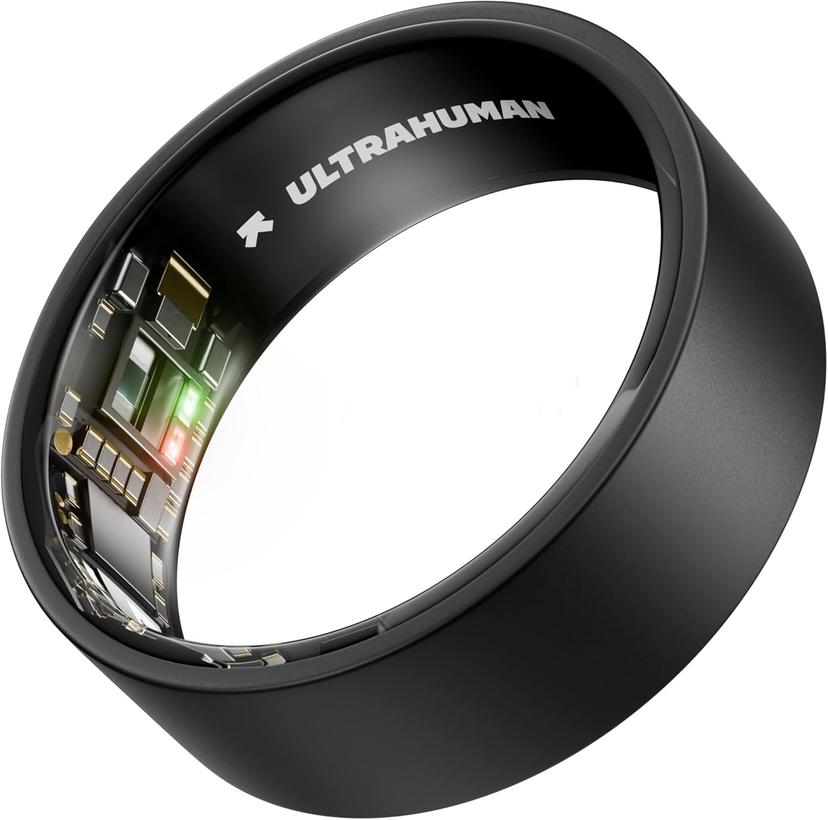
Ultrahuman Ring Air
Lightweight ring with pulse, temperature and motion sensors, no mandatory fee and an optional paid plan.
The short answer: what fee each one has
The amounts in this table are service fees, not product prices. Each ring's price is the one Amazon shows on its listing, and it is not written here.
| | RingConn Gen 2 | Samsung Galaxy Ring | Ultrahuman Ring Air | Oura | | :- | :- | :- | :- | :- | | Mandatory fee | No, according to RingConn's cost guide | Samsung Spain's website mentions none | No: "no recurring fees to access your data", according to Ultrahuman | Yes: €5.99/month or €69.99/year in the EU. The help center does not name the ring model | | Optional paid layer | Partner+ (daily limit of the AI assistant): €5.99/month or €69.99/year in the EU; Spain is not listed by name | None found | Ultrahuman Max: €11.95/month or €119.95/year in the Liechtenstein store | Not applicable: the fee is the layer | | What you see without paying | The app with its basic features | The Samsung Health app | The ring's data; premium PowerPlugs, unverified | Only three daily scores, battery and settings, according to its help article on membership | | Source and date | RingConn note of 26-10-2026 | Samsung Spain, 11-11-2026 | Ultrahuman, 11-11-2026 | Oura help center article, 11-11-2026 |
Each column is detailed below. There are three precautions about fees that apply to all of them: amounts change, the Ultrahuman store we were able to read in euros is the Liechtenstein one (not the Spanish one), and Partner+ is listed for the European Union without naming Spain, and no fee policy is a commitment to stay the same.
RingConn Gen 2: the fee that isn't mandatory
RingConn's cost guide (June 26, 2026) states that current models do not require a monthly fee for basic features or an annual fee for the basic app experience. Its note on Partner+, from October 26, 2026, presents an optional service that raises the daily limit of conversations with the AI assistant tenfold, and makes clear that no paid plan is needed to use the app. There is a 7-day trial that becomes paid if it is not cancelled at least 24 hours beforehand. According to that note, Partner+ costs €5.99/month or €69.99/year in the European Union (taxes included), $5.99/month or $69.99/year in the US and £5.99/month or £69.99/year in the UK. The note's table does not name Spain, so we cannot say that the EU amount applies; confirm it in the app. Checked on November 11, 2026.
What matters when buying, according to our RingConn Gen 2 review:
- Stated battery life: 10 to 12 days depending on size, the highest of the three. It is a manufacturer figure, not an independent measurement.
- Physical specs: 2 mm thick, 2 to 3 g, titanium and sizes 6 to 14.
- Phones: RingConn's documentation asks for iOS 17 or later or Android 10 or later, so it works with both iPhone and Android.
- Workouts: automatic detection of continuous exercise of at least 10 minutes, which takes off around one day of battery on average, according to RingConn.
- Generation note: it is no longer the brand's latest model. The Gen 3 adds vibration and vascular trends, and the Gen 2 remains a current option in RingConn's comparison guide.
The risk is the same as with any ring tied to its app: the guides talk about "basic features" without defining them or saying until when, and there is no commitment to stay the same. Without the app, the hardware loses almost all of its value.
Samsung Galaxy Ring: no fee, but Android only
The official Galaxy Ring page in Spain, consulted on November 11, 2026, mentions no subscription or fee. This is information by omission: Samsung doesn't say "we will never charge", only that it doesn't charge on the product page. The ring's analysis features (energy score, wellness tips, sleep coaching) rely on the Samsung Health app.
What decides the purchase, according to the Galaxy Ring review and the official listing:
- Compatibility: it requires an Android 11 or later phone with at least 1.5 GB of memory, the Galaxy Wearable app, Samsung Health and a Samsung account. It does not work with iPhone. Features such as Double Pinch also require a Samsung Galaxy with One UI 6.1.1 or later.
- Stated battery life: up to 6 days in sizes 5 to 11 and up to 7 in sizes 12 and 13.
- Physical specs: from 2.3 g (size 5) to 3.0 g (sizes 12 and 13). The titanium only covers the frame.
- Sizes: Samsung includes a free kit of 9 sample rings (sizes 5 to 13, US scale) that it recommends wearing for at least 24 hours before choosing.
- Sensors: accelerometer, optical pulse sensor and skin temperature sensor. The listing does not detail blood oxygen saturation or respiratory rate, so they are not given as data.
- Warranty: the page content does not include warranty information, only a generic support link. It is unverified.
Its review also gathers user reports of heavy battery loss and a widely reported case of a swollen battery with no confirmed cause. These are anecdotes, not statistics, which is why it is worth keeping the receipt.
Ultrahuman Ring Air: no fee, with an add-on store
Ultrahuman is the option with the most nuances, and the one that is worth reading about calmly.
What it says about the fee. Ultrahuman's global purchase page (consulted on November 11, 2026) states that there are no recurring fees to access your data and that it is a one-time purchase. Its comparison table indicates that it does not require a mandatory data subscription. The same page offers Ultrahuman Max, an optional plan that includes premium PowerPlugs (additional feature modules, such as atrial fibrillation detection or cardiovascular adaptability, which the website describes). In the Liechtenstein store, also consulted on November 11, 2026, Max appears from €11.95/month including taxes or €119.95/year, and includes "5 PowerPlugs, unlimited Jade Pro and UltrahumanX coverage" (in the original). The global page shows it in US dollars from $9.99/month. The pages carry no update date.
What we have not been able to verify. Which PowerPlugs are free and which require Max in Spain. The website shows this in aggregate and we have not found a list for the Spanish market. If a specific feature matters to you (cycle, breathing, heart rhythm), check on Ultrahuman's Spain website before buying whether it is included. It is also unclear whether Ultrahuman Max is sold in Spain at the Liechtenstein price, because the Spanish page was not accessible on the day we checked.
Physical and usage specs, according to the global purchase page and the official Ring Air vs Ring Pro comparison:
- Width of 8.1 mm, thickness of 2.45 to 2.8 mm depending on size (the official comparison says 2.4 mm) and weight of 2.4 to 3.6 g.
- Non-replaceable 24 mAh battery, 4 to 6 days of battery life and about 180 minutes for a full charge. It is the shortest battery life of the three.
- Sensors: infrared PPG, skin temperature sensor and 6-axis motion sensor.
- Water resistance of up to 100 m for up to 12 hours, according to that page.
- Bluetooth Low Energy connection, iPhone with iOS 15 or later and Android 6 or later.
- Sizes 5 to 14, with a different scale from Oura's and a sizing kit available, according to its FAQ.
It is a model in transition. Ultrahuman presents the Ring Pro as its most advanced ring (up to 15 days of battery according to its comparison), and the Ring Air is still on sale, including a listing on Amazon.es that the purchase button links to. It is a listing for a specific variant (size and color), so it is worth confirming both before paying. We have not reviewed the Ring Pro and this piece does not assess it.
A caution about the Amazon listing: its title includes "no app fee for standard features". That is seller text, not a contractual condition from Ultrahuman, so we stick to what the brand's own website says.
What they have in common and what could not be checked
All three measure pulse with an optical sensor, finger skin temperature and movement, and all three turn it into scores and sleep stages. This is where it is hardest to tell them apart, and where the most care is needed.
Accuracy: what exists and what doesn't.
- RingConn Gen 2: the accuracy figures on its page come from the manufacturer and have no visible method. A 2026 preprint (64 shooting athletes, 10 minutes at rest, with a Polar H10 chest strap as the reference, according to the abstract) points to good agreement for pulse and HRV, without peer review and with accuracy during movement still to be checked, as our review details.
- Samsung Galaxy Ring: we have not found studies that validate its sleep, HRV or temperature.
- Ultrahuman Ring Air: with the sources we used (the manufacturer's website and open academic search engines) we have not found a published independent study comparing its sleep with polysomnography. Ultrahuman publishes its own work on its science portal; we have not read it and do not present it as validation.
- Category context: a systematic review with meta-analysis of 28 articles on 11 finger-worn devices against polysomnography (literature up to April 2025) obtained, according to its abstract, a pooled accuracy of 87% for distinguishing sleep from wake and lower figures when classifying stages (0.65 for light sleep, 0.81 for deep and 0.74 for REM). The abstract does not name brands, so we do not know whether the three models in this piece are among the 11. A 2022 study of 53 young adults compared the Apple Watch S6, the Garmin Forerunner 245 Music, the Polar Vantage V, the Oura Gen 2, the WHOOP 3.0 and the Somfit with polysomnography, and concluded that all six were valid for estimating the timing and duration of sleep, but needed to improve on stages. It did not include any of the three rings in this piece.
The prudent reading is the usual one: they are useful for seeing your trend over several weeks, not for taking one night's figure as exact. Oura's models share the limitation, as their reviews explain (Ring 4 and Ring 5): the difference is that their earlier generations have published studies, and the three here have fewer or none. If that backing matters more than the savings, Oura's fee buys something concrete.
Comfort and real-world battery: unverified. We have not used independent media reviews, so we do not claim which is more comfortable to sleep in or how long each one really lasts. We only give the manufacturer data, which is a ceiling, not a promise. For choosing a size, Samsung's free kit is the clearest option of the three, and Ultrahuman says it has one available.
Advanced health features. None of the three is a medical device. If you are interested in something like Ultrahuman's irregular heart rhythm alert or RingConn's overnight breathing information, treat it as an indicative notice. The UK's NHS explains that, if sleep apnea is suspected, the doctor may refer you to a sleep clinic and that the diagnosis is based on a sleep study with breathing and pulse monitors, which is usually done at home and sometimes requires spending the night at the clinic, not on an app. If you have symptoms, the decision to see a doctor should not depend on what the ring says.
What it adds up to over three years vs Oura
With the published fees and assuming they don't change, this is the three-year total, not counting the price of the ring, which Amazon shows:
- Oura: €69.99 × 3 = about €210 with the EU annual fee. With the monthly plan (€5.99 × 36) it would be about €216. Oura includes one month when you pair the ring, according to its help article on membership. The plan details are in our Whoop or Oura comparison.
- RingConn Gen 2 and Samsung Galaxy Ring: €0 of mandatory fee. RingConn's Partner+ is optional: at €69.99/year (the EU amount in RingConn's note, unconfirmed for Spain) it would be about €210 over three years, the same as Oura's fee, and it only raises the AI assistant's limit.
- Ultrahuman Ring Air: €0 mandatory. With Ultrahuman Max at €119.95 a year (Liechtenstein store price) it would be about €360 over three years: more than Oura's fee, although it is voluntary. It only makes sense if the premium features matter to you.
The real saving therefore depends on the free layer being enough for you. If you end up paying for Ultrahuman's plan, the advantage over Oura disappears. Since Oura's fee is an ongoing cost and the others' is optional, there is a sorting effect: the cheapest device doesn't always win if what you miss is in the paid plan. And conversely, a ring with no fee that stopped receiving app maintenance would save nothing. None of the three brands commits in writing to keeping free what is free today.
Compatibility and sizes at a glance
| | RingConn Gen 2 | Samsung Galaxy Ring | Ultrahuman Ring Air | | :- | :- | :- | :- | | iPhone | Yes (iOS 17 or later) | No | Yes (iOS 15 or later) | | Android | Yes (Android 10 or later) | Yes (Android 11 or later) | Yes (Android 6 or later) | | Stated battery life | 10 to 12 days | 6 to 7 days | 4 to 6 days | | Weight | 2 to 3 g | 2.3 to 3.0 g | 2.4 to 3.6 g | | Sizes | 6 to 14 | 5 to 13 | 5 to 14 | | Sizing kit | Check RingConn's website: unverified | Free, with 9 rings | Available, according to its FAQ |
The weight and battery figures are the manufacturer's in each case; users tend to report less. To place the rings against other formats, we have a guide on smartwatch, smart ring or band, and a smart ring comparison with the Oura and the Whoop.
When it pays off and when it doesn't
No fee does not mean better. These are the cases where each option fits, and where it falls short:
- A ring with no fee pays off if you want to see sleep and pulse trends, don't mind that accuracy has not been demonstrated by third parties, and prefer not to have a recurring expense.
- It doesn't pay off if you need figures backed by independent studies, or if what you are after is training with barbells and dumbbells: the ring struggles with grip, and a ring's workout tracking is less reliable than a watch's.
- It doesn't pay off if you doubt you will wear it every night: an unused ring is a wasted expense, with or without a fee.
Recommendation by profile
- If you use an iPhone and want to avoid the fee: the RingConn Gen 2, for its stated battery life and for combining iPhone compatibility with no mandatory fee. Its Partner+ plan is optional and only expands the AI assistant. Accept that its accuracy rests mostly on manufacturer data. If vibration appeals to you, look at the Gen 3 on RingConn's website first.
- If you use Android and want the most predictable cost: the Samsung Galaxy Ring, because the official listing mentions no fee or plans, it comes with a free sizing kit and the app is Samsung's. Check that your phone meets Android 11, and don't choose it if you have an iPhone.
- If the extra features appeal to you and you accept paying for them: the Ultrahuman Ring Air, with the caveat that its stated battery life is the lowest of the three and that we have not been able to verify what is free in Spain. If you end up subscribing to Max, run the numbers against Oura.
- If you need the longest track record of published studies and accept a fee: Oura, in the Ring 5 or the Ring 4, at about €70 a year according to the EU fee.
- If you do strength training or need a screen and GPS: none of these. A sports watch with no fee fits better.
Veredicto Final del Experto
RingConn Gen 2
The longest stated battery life, compatible with iPhone and Android and with no mandatory fee. Accuracy rests mostly on manufacturer data.
Samsung Galaxy Ring
The Samsung listing mentions no fee and the sizing kit is free. It does not work with iPhone.
Ultrahuman Ring Air
No mandatory fee, but with an optional paid plan and the lowest stated battery life. What is free in Spain is unverified.